Branchio-oto-renálny syndróm
Find a cause you want to help. Every contribution counts.

Všeobecné
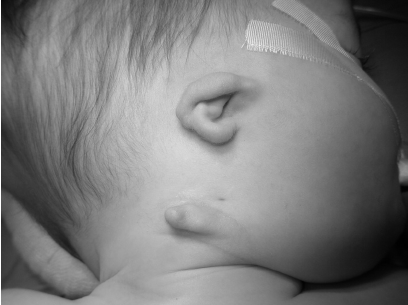
Branchio-oto-renálny syndróm (angl. Branchio-oto-renal syndrome, BOR syndrome, branchiootic syndrome, branchio oto renal dysplasia, Melnick-Fraser Syndrome) je zriedkavé vrodené ochorenie, ktoré postihuje len asi 1 človeka zo 40,000. Dedičnosť je autozomálne recesívna. Charakteristikou tohto syndrómu je poškodenie sluchu v rôznej škále, obličkové abnormality, porucha tráviaceho traktu a vytváranie anomálnych komunikácii v oblasti krku.
Príčiny
Je známych niekoľko génov, ktorých mutácie rozvoj tohto syndrómu spôsobia. Tieto gény sú zodpovedné za správny vývoj krčnej oblasti, ucha a obličiek. Mutácie génov vznikajú buď de novo, alebo ich dotyčný získa od chorého rodiča. Rodič trpiaci branchio-oto-renálnym syndrómom má veľmi vysokú šancu, že jeho potomok týmto syndrómom ochorie tiež. Dedičnosť je autozomálne dominantná. Diagnózu syndrómu určí genetické vyšetrenie.
Liečba
Vzhľadom na to, že sa jedná o vrodený syndróm, nie je prevencia ani liečba možná. Liečia sa príznaky ako nedoslýchavosť kompenzáciou načúvacími prístrojmi a kochleárnym implantátom, deformácie krku a tváre sú v kompetencii plastických chirurgov a ORL lekárov, či stomatochirurgov, liečba chronického zlyhávanie obličiek.
- narušenie zárodočného vývoja oblasti krku má za následok početné tkanivové abnormality v tejto oblasti. Typický je vznik väčších či menších dutín (cysty), ktoré môžu byť vzájomne medzi sebou prepojené kanálikmi (fistulami). Niekedy tieto kanáliky vyúsťujú na koži krku
- niekedy sa objavujú aj rôzne abnormality tváre, napríklad rázštepové chyby.
- býva narušený vývoj vonkajšieho, stredného ucha, či vnútorného ucha. Ak je deformovaná ušnica, je to skôr kozmetický defekt. Deformácie stredného a vnútorného ucha môžu mať už za následok ľahkú až ťažkú nedoslýchavosť alebo úplnú hluchotu postihnutého ucha, možné je aj poškodenie sluchového nervu, alebo kombinácia,prítomnosť úzkych zvukovodov
- postihnutie obličiek - Jedna, či obe obličky sú zle vyvinuté a ich funkcia býva nedostatočná. Tento stav môže viesť k zlyhávaniu obličiek.
- zúžené slzné kanáliky – opakované konjuktivitídy
- charakteristické črty tváre – dlhá a úzka tvár, rázštep podnebia, paralýza (nehybnosť) svalu/skupiny svalov tváre
Pre spojenie sa s ďalšími ľuďmi s rovnakou diagnózou vo vašom okolí sa prihláste.
Prihlásenie