
Všeobecné
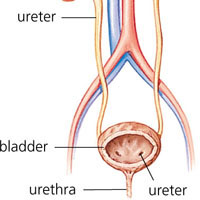
Berdonov syndróm (angl. Berdon syndrome, Megacystis-microcolon-intestinal hypoperistalsis syndrome, MMIH syndrome) je zriedkavé geneticky podmienené vrodené ochorenie postihujúce množstvo vnútorných orgánov. Väčšina postihnutých jedincov sú ženy v pomere 7:3. Najstarší jedinec s týmto genetickým ochorením mal 24 rokov. Berdonov syndróm je charakteristický obstipáciou, retenciou moča, veľkým močovmý mechúrom, dilatovaným tenkým črevom, atď.
Príčiny
Podstatou syndrómu je vrodená genetická mutácia. V populácii sa nachádzajú ľudia, ktorí porušený gén majú, ale sú zdraví – označujú sa ako prenášači. Ak dvaja takí prenášači – muž a žena – majú deti, tak existuje šanca, že svojmu dieťaťu každý z nich odovzdá práve svoj chorý gén. U tohto dieťaťa sa rozvinie Berdonov syndróm. Dedičnosť je teda autozomálne recesívna.
Liečba
Syndróm ako taký nemožno vyliečiť. Sú pokusy postihnuté orgány chirurgicky odstrániť a nahradiť ich pomocou transplantácie zdravými orgánmi, ale tento postup so sebou prirodzene nesie určité komplikácie a nebezpečenstvo.
- postihnutie močovej a tráviacej sústavy
- obrovský močový mechúr so slabou stenou a prítomnosť rôznych deformácii močových ciest
- retencia moča (zadržiavanie moča v obličkách a močovom mechúre, hydronefróza (zväčšená oblička v dôsledku stagnácie moča) a sekundárne poškodenie obličky
- znížená pohyblivosť čriev a obstipácia (zápcha), hrubé črevo je extrémne tenké a horšie ním prechádza potrava, tenké črevo je abnormálne rozšírené
- brušné svaly sú ochabnuté a rozvoľnené, brucho je kvôli tomu zvrásnené a prirovnáva sa k sušenej slivke (anglicky prune belly)
Pre spojenie sa s ďalšími ľuďmi s rovnakou diagnózou vo vašom okolí sa prihláste.
Prihlásenie