
Všeobecné
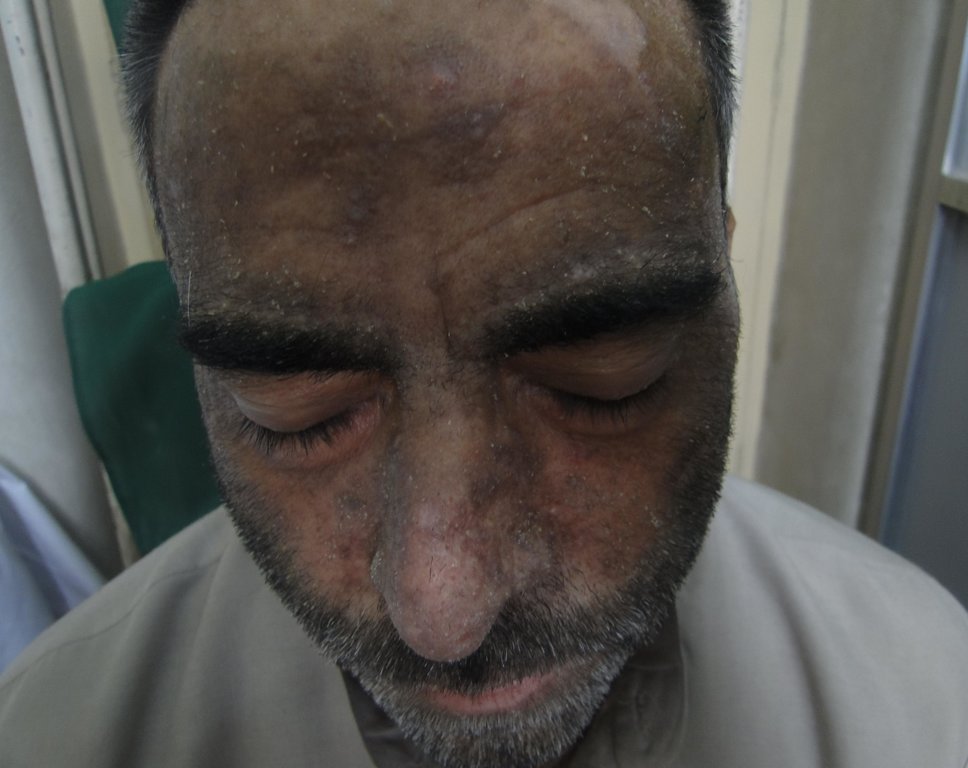
Bazex-Dupré-Christol syndróm (anglicky Bazex syndrome) je veľmi zriedkavé ochorenie. Ide o dedičné ochorenie, ktoré sa dedí dominantne na X chromozóme. To znamená, že sa líši podľa toho, ktorý z rodičov je nositeľom poškodeného génu. Pokiaľ sa dedí po otcovi, ktorý nesie chybný gén, dievčatá majú 100% riziko vzniku syndrómu, chlapci sú zdraví. Naopak ak tento gén nesie zdravá matka, dieťa má 50% nádej, že neochorie.
Je spojený s folikulárnou atrofodermiou, bazaliómom (zhubný nádor kože z bazálnych buniek vyskytujúca sa na tvári s nízkym rizikom vzniku metastáz), hypotrichózou (znížené ochlpenie) a hypohidrózou (znížené potenie). Toto ochorenie by sa nemalo zamieňať s acrokeratosis paraneoplastica, ktorá môže mať veľmi podobné prejavy.
Diagnostika:
Je veľmi obtiažna a často sa na túto chorobu prichádza neskoro, teda až v čase, keď sa objaví karcinóm v oblasti tváre. Malo by sa teda dbať na prevenciu a nezanedbávať pravidelné návštevy dermatológa, najmä ak sa v rodine toto ochorenie vyskytlo.
Liečba:
Liečba spočíva v liečbe nádoru. Tá môže zahŕňať chirurgický zákrok alebo kryoterapiu (zmrazenie). Niektorí pacienti môžu vyžadovať dlhodobú liečbu perorálnymi retinoidmi (vit. A). Dôležitá je tiež preventívna ochrana pred slnkom.
- príznaky sa najčastejšie nachádzajú na hornej ploche rúk, lakťoch, nôh a tvári
- rozšírenie vlasových folikulov
- zanietenie vlasových folikulov
- bazalióm - karcinóm bazálnych buniek kože v oblasti tváre
- mílie (drobné mastné hrbolčeky na koži)
- lokalizovaná alebo generalizovaná hypohidrosis (nepotenie sa)
- hypotrichosis (zníženie počtu vlasov a ochlpenia)
Pre spojenie sa s ďalšími ľuďmi s rovnakou diagnózou vo vašom okolí sa prihláste.
Prihlásenie