
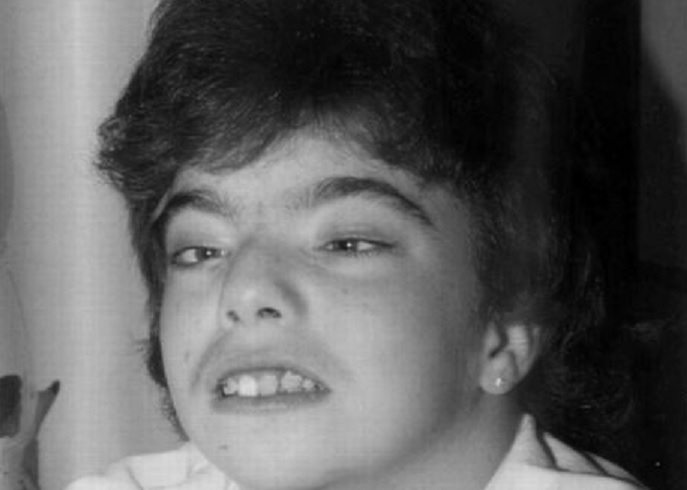
Všeobecné
Barakatov syndróm (angl. Barakat syndrome, HDR syndrome) je extrémne zriedkavé geneticky podmienené ochorenie s pestrým spektrom prejavov. Príčinou je genetická mutácia nachádzajúce sa v géne lokalizovanom na 10. chromozóme. Frekvencia výskytu nie je známa, syndróm je veľmi raritný. Dedičnosť je pravdepodobne autozomálne dominantná.
Diagnóza:
Diagnóza sa stanoví genetickým vyšetrením. Zvážiť genetické vyšetrenie je potrebné u súrodencov postihnutých detí, u pacientov s rôznymi abnormalitami močového traktu.
Liečba:
Prevencia ani liečba samotného syndrómu nie sú možné. Prejavy syndrómu však liečiteľné sú – zásadné je sa sústrediť na zachovanie čo najlepšej funkcie obličiek po čo najdlhšiu dobu. Ak vymiznú ich funkcie úplne, je nutná dialýza alebo transplantácia obličky.
- postihnutie močového systému a obličiek rôzneho rozsahu, ktoré môže viesť k ich nedostatočnej funkcii a zlyhávaniu – vyskytuje sa napríklad nefrotický syndróm a početnejšie obličkové cysty, vesikouretrálny reflux. V najzávažnejších prípadoch sa nemusia obličky vyvinúť vôbec.
- hypoparathyreoidizmus (znížená funkcia prištítnych teliesok) a z toho vyplývajúce poruchy v metabolizme vápnika. Je prítomná nižšia hladina vápnika, čo sa prejavuje kŕčmi, tetániou
- postihnutie sluchu v rôznom rozsahu
Pre spojenie sa s ďalšími ľuďmi s rovnakou diagnózou vo vašom okolí sa prihláste.
Prihlásenie