Axenfeld-Riegerov syndróm
Find a cause you want to help. Every contribution counts.

Všeobecné
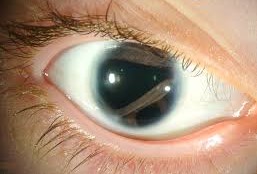
Axenfeld-Riegerov syndróm (angl. Axenfeld-Rieger syndrome) je skupina porúch, ktoré ovplyvňujú hlavne vývoj oka. Medzi bežné očné príznaky patria chyby rohovky a chyby dúhovky. Ľudia s týmto syndrómom môžu mať mimostrednú zrenicu (corectopia) alebo extra otvory v očiach, ktoré môžu vyzerať ako viacpočetné zrenice (polykória). Asi u 50% ľudí s týmto syndrómom sa objaví glaukóm, ochorenie, ktoré zvyšuje tlak vo vnútri oka a môže spôsobiť stratu zraku alebo slepotu.
Aj keď je Axenfeld-Riegerov syndróm primárne očné ochorenie, tento syndróm môže postihnúť aj iné časti tela. Väčšina ľudí s týmto syndrómom má výrazné črty tváre a mnoho z nich má problémy so zubami, vrátane neobvykle malých zubov (mikrodoncia) alebo menej ako bežných zubov (oligodoncia). Niektorí ľudia majú okolo brušného gombíka ďalšie záhyby kože, srdcové chyby alebo iné zriedkavejšie vrodené chyby.
Existujú tri typy Axenfeld-Riegerovho syndrómu a každý z nich má inú genetickú príčinu.
- Axenfeld-Riegerov syndróm typu 1 je spôsobený mutáciami v géne PITX2.
- Axenfeld-Riegerov syndróm typu 3 je spôsobený mutáciami v géne FOXC1.
- Gén, ktorý spôsobuje Axenfeld-Riegerov syndróm typu 2 nie je známy, ale nachádza sa na 13. chromozóme.
Axenfeld-Riegerov syndróm má autozomálne dominantný vzor dedičnosti.
Príznaky:
Axenfeld-Riegerov syndróm je porucha oka. Ľudia s touto poruchou majú zvyčajne chyby rohovky, čo je číry kryt na prednej časti oka. Môžu mať zakalenú rohovku alebo zadný embryotoxín, čo je prípad, keď okolo vonkajšieho okraja rohovky vidíte opagátový krúžok. Ľudia s touto poruchou môžu mať problémy aj s dúhovkou, ktorá je farebnou časťou oka. Jedna zo zreničiek môže byť na nesprávnom mieste (corectopia), zreničky môžu byť abnormálne veľké alebo malé, alebo môžu existovať zreničky navyše (polycoria).
Asi u 50% ľudí s týmto syndrómom sa objaví glaukóm, čo je ochorenie, ktoré zvyšuje tlak vo vnútri oka. Môže to spôsobiť stratu zraku alebo slepotu. Ľudia s týmto syndrómom môžu mať tiež strabizmus (skrížené oči), kataraktu (zakalenú šošovku), makulárnu degeneráciu (porucha oka, ktorá spôsobuje stratu zraku) alebo coloboma (dieru v štruktúre oka).
Aj keď je Axenfeld-Riegerov syndróm primárne očné ochorenie, ľudia s týmto syndrómom môžu mať príznaky, ktoré postihujú aj iné časti tela. Tieto príznaky väčšinou zahŕňajú zuby a kosti tváre.
Medzi príznaky ovplyvňujúce zuby patria:
- zuby v tvare kužeľa (kolíkovité rezáky)
- chýbajúce zuby (oligodoncia)
- malé zuby (mikrodoncia)
- abnormálny rozstup zubov
Medzi príznaky ovplyvňujúce kosti tváre môžu patriť nedostatočne vyvinutá čeľusť, vyčnievajúca spodná pera a oči veľmi vzdialené od seba. Medzi ďalšie príznaky patria záhyby kože okolo brušného gombíka, srdcové chyby alebo iné zriedkavejšie vrodené chyby.
Liečba:
Liečba závisí od príznakov.
Ak je prítomný glaukóm, cieľom liečby je zníženie vnútroočného tlaku (IOP). Každoročné oftalmologické vyšetrenie by sa malo vykonať pomocou niekoľkých špecifických vyšetrení na zistenie prítomnosti glaukómu. Ak sa objaví glaukóm, pred operáciou sa zvyčajne odporúčajú očné kvapky. Medzi lieky, ktoré môžu byť predpísané, patria lieky na zníženie výdaja vody (betablokátory, alfa-agonisty a inhibítory karboanhydrázy). Alfa-agonisty by sa však mali používať s opatrnosťou u malých detí kvôli možným neurologickým účinkom. Chirurgický zákrok sa vykonáva, ak očné kvapky nie sú dostatočné na zníženie VOT.
Ak je nevyhnutný chirurgický zákrok, je voľbou trabekulektómia. Môže byť tiež indikovaná laserová chirurgia.
U pacientov s korektómiou (zrenica nie je v strede a nie je umiestnená tam, kde by mala byť) a s polykóriou (v oku je viac ako jedna zrenica) môže dôjsť k nadmernej citlivosti na svetlo (fotofóbia), môžu byť preto užitočné kontaktné šošovky.
Ak má osoba ďalšie nálezy, liečba bude závisieť od prítomných príznakov a môže zahŕňať chirurgický zákrok na odstránenie problémov s tvárou alebo zubami, chirurgický zákrok na srdci alebo korekčný chirurgický zákrok pre prípady hypospadie. Nízky vzrast z dôvodu nedostatku rastového hormónu možno liečiť rastovým hormónom.
- chyby rohovky
- chyby dúhovky
- corectopia
- viacpočetné zrenice (polykória)
- glaukóm (asi u 50%)
- možnosť strabizmu (škúlenie)
- možnosť katarakty (zakalená šošovka)
- výrazné črty tváre (nedostatočne vyvinutá čeľusť, vyčnievajúca spodná pera a oči veľmi vzdialené od seba)
- problémy so zubami (neobvykle malé zuby - mikrodoncia)
- niekedy srdcové chyby
Pre spojenie sa s ďalšími ľuďmi s rovnakou diagnózou vo vašom okolí sa prihláste.
Prihlásenie