
Všeobecné
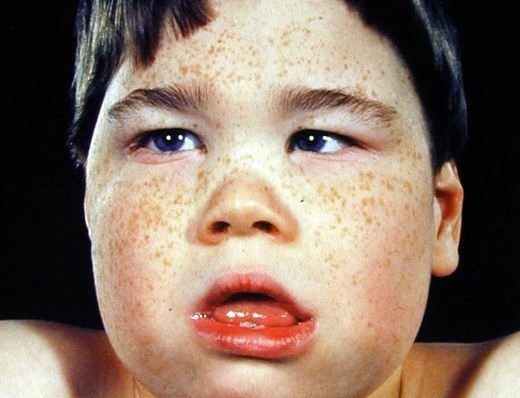
ATRX syndróm (angl. Alpha - Thalassemia X-linked Intellectual Disability Syndrome, ATR-X syndrome) - syndróm X viazanej alfa talasémie s poruchou intelektu, je genetické dedičné ochorenie, pri ktorom je postihnutý gén ATRX na X chromozóme. ATRX syndróm je charakterizovaný špecifickými tvárovými črtami, anomáliami genitálií, ťažkou psychomotorickou retardáciou, hypotóniou, intelektuálnou poruchou a ľahkou až stretne ťažkou anémiou.
Ochorenie vzniká ako náhodná mutácia de novo, alebo to môže byť spôsobené dedičnosťou od zdravej matky, ktorá má v genetickej výbave 1 mutovaný gén (prenášačka). V tomto prípade má 25% šancu mať syna so syndrómom ATRX, 25% šancu mať syna bez postihnutia, 25% pravdepodobnosť mať zdravú dcéru s 1 mutovaným génom (prenášačka) a 25% šancu mať dcéru bez prítomnosti defektného génu. Pacienti s ATRX syndrómom sú neplodní.
Diagnostika:
Diagnostika sa realizuje pomocou genetickej konzultácie a molekulárnej diagnostiky. Dôležité je skúmanie rodokmeňa s možnou prítomnosťou opakovania syndrómu v rodine, kedy je zvýšená pravdepodobnosť.
Liečba:
Liečba detí je individuálna a šitá na mieru. Deti s ATR-X syndrómom vyžadujú radu špecialistov, špeciálnych pedagógov, začatie včasnej intervencie za účelom posilnenia psychomotorického vývoja a podporu vývoja intelektuálnej stránky, ako ja fyzioterapeutické cvičenia. Pacienti s ATRX vyžadujú dopĺňanie špeciálne vysoko kalorické formuly.
- špecifické črty tváre: telekantus – oči ďaleko od seba, krátky nos, plochá tvár, mikrocefália (malý obvod hlavičky)
- abnormality fontanely
- anomálie genitálu – hypospádia, nezostúpené semenníky - kryptorchizmus, pre pohlavie nejednoznačne charakteristické genitálie, normálne vyzerajúce ženské vonkajšie pohlavné orgány
- psychomotorické oneskorenie – evidentné u batoliat, niektoré deti nie sú schopné samostatnej chôdze
- porucha reči
- gastroezofageálny reflux
- porucha intelektu - ťažký stupeň
- abnormality skeletu - nízky vzrast, deformity chodidla - pes varus / valgus (vytočenie chodidla), skolióza, kontraktúry prstov, abnormálne krátke prsty - brachydaktýlia, pectus carinatum (vpáčený hrudník)
- laboratórne je dokázaná alfa - talasémia - produkcia chybného hemoglobínu je ako príčina ľahkej až stredne ťažkej anémie
Pre spojenie sa s ďalšími ľuďmi s rovnakou diagnózou vo vašom okolí sa prihláste.
Prihlásenie