
Všeobecné
Antley-Bixlerov syndróm (angl. Antley-Bixler syndrome) je zriedkavé geneticky podmienené vrodené ochorenie. Postihuje najmä lebku a končatiny, niekedy býva narušená aj močová a pohlavná sústava.
Príčiny:
Choroba je spôsobená genetickou mutáciou. Môže sa jednať o mutáciu v jednom z génov, ktorý má význam pre správnu funkciu a vývoj spojivového tkaniva alebo poruchu génu dôležitého pre funkciu enzýmu cytochróm P450 oxidoreduktázy. Narušenie tohto enzýmu vedie k poruchám v tvorbe steroidných hormónov.
Prejavy:
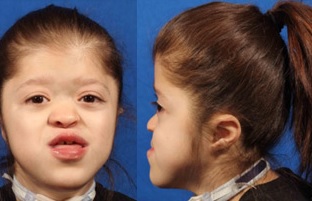
Chorý má deformovaný tvar lebky, ktorá je skrátená, tvár je málo vyvinutá, nos je sploštený. Dochádza tiež k predčasnému zrastu lebečných švov, čo bráni lebke aj mozgu v raste, utláča mozog a môže spôsobiť aj nebezpečné zvýšenie vnútrolebečného tlaku.
Deformácie postihujú aj kosti končatín, napríklad stehennú kosť či kosti predlaktia, ktoré môžu byť zahnuté. Ochorenie postihuje aj kĺby na končatinách, ktoré sa zle vyvíjajú a môžu byť prakticky nepohyblivé. V prípade narušenia génu pre cytochróm P450 oxidoreduktázy býva porušená tvorba steroidných hormónov, z ktorých najvýraznejší je nedostatok pohlavných hormónov. Dôsledkom je narušený vývoj pohlavných orgánov a pohlavných znakov jedinca – nezostúpené semenníky a malý penis u chlapcov, slepo končiaca maternica či zrastené malé pysky u dievčat. Tieto chyby pohlavnej sústavy sa však u Antley-Bixlerovho syndrómu nevyskytujú vždy. Prognóza choroby nie je príliš dobrá, väčšina postihnutých zomiera ešte v detskom veku.
Diagnostika:
Ako u mnohých ďalších genetických porúch možno získať podozrenie zo symptómov, definitívne potvrdenie ale poskytne až genetické vyšetrenie. Prevencia geneticky podmieneného ochorenia nie je v súčasnosti možná.
Liečba:
Liečba syndrómu ako takého neexistuje. Deformácie sa môžu riešiť chirurgickými a ortopedickými zákrokmi.
- deformovaný tvar lebky
- nos spološtený, tvár málo vyvinutá
- predčasný zrast lebečných švov
- narušený vývoj pohlavných orgánov (nezostúpené semenníky, malý penis, slepo končacia maternica, zrastené pysky)
Pre spojenie sa s ďalšími ľuďmi s rovnakou diagnózou vo vašom okolí sa prihláste.
Prihlásenie