
Všeobecné
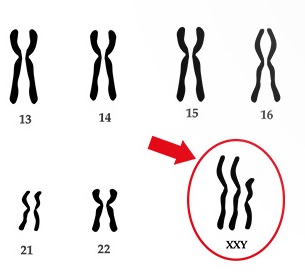
Aneuploidia je genomická mutácia. Ide o jav, kedy dochádza k chýbaniu alebo nadbytku chromozómov vo všetkých bunkách určitého organizmu. Príčinou aneuploidie je nesprávny priebeh meiózy (redukčného delenia), ide o následok poruchy deliaceho vretienka alebo centroméru, ktoré zapríčiní zákaz oddelenia homológnych párov chromozómov, takže vzniknuté gaméty obsahujú prebytočné chromozómy, alebo im naopak niektoré chromozómy chýbajú. Taktiež ju môže zapríčiniť vplyv ionizujúceho žiarenia, mutagénov a cytostaticky pôsobiacich chemických látok.
Príklady aneuploidie u človeka:
- Downov syndróm - jedná sa o trizómiu 21. ľudského chromozómu
- Edwardsov syndróm - trizómia 18. chromozómu
- Patauov syndróm - trizómia 13. chromozómu.
- Turnerov syndróm - stav, keď má jedinec len gonozóm X.
- Superfemale - aneuploídia samičieho gonozómu - XXX, títo jedinci sa nazývajú "Superžena"
- Supermale - aneuploídia samčieho chromozómu - XYY, títo jedinci sa nazývajú "Supermuž"
- Klinefelterov syndróm - gonozómy sú doplnené o druhý chromozóm X - XXY
- rôznorodé
- závisia od genomickej mutácie
Pre spojenie sa s ďalšími ľuďmi s rovnakou diagnózou vo vašom okolí sa prihláste.
Prihlásenie