
Všeobecné
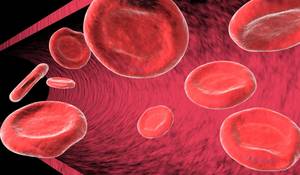
Anémia alebo chudokrvnosť je definovaná znížením koncentrácie hemoglobínu v 1 litri periférnej krvi na hodnotu nižšiu ako 135 g u mužov a menej ako 120 g u žien. Nižšia hodnota hemoglobínu je sprevádzaná zníženým hematokritom (pomer hemoglobínu k celkovému objemu krvi) a poklesom počtu erytrocytov. Kyslík je dodávaný tkanivám po naviazaní na hemoglobín, ktorého množstvo je znížené a tým vzniká tkanivová hypoxia (nedostatok kyslíka). Tých málo červených krviniek nie sú schopné zabezpečiť prenos kyslíka do všetkých tkanív dostatočne, na čo telo reaguje svojimi kompenzačnými mechanizmami ako je dýchavičnosť, zvýšená frekvencia srdca a pod. Napriek tomu určité tkanivá a orgány nie sú dostatočne okysličené a preto príznakmi anémie sú bledosť kože a spojoviek, únava, chudnutie, neprospievanie, bolesti hlavy, nechutenstvo, pocit búšenia srdca, už spomenutá dýchavičnosť alebo kolaps. Žltačka sprevádza náhly vznik anémie z rozpadu červených krviniek.
Príčiny vzniku:
- zvýšené krvné straty - posthemoragické (akútne krvácanie, krvácanie z tráviaceho systému z vredov alebo pri nádore)
- porucha krvotvorby (nedostatok železa, vitamínu B12, kyseliny listovej, aplastická, myeloblastická anémia, anémia pri chronických ochoreniach, znížená funkcia štítnej žľazy, ochorenia obličiek - znížená tvorba erytropoetínu, poškodenie kostnej drene toxínmi, žiarením, nádormi alebo fibrózou)
- zvýšený rozpad erytrocytov (vrodené a získané hemolytické anémie, talasémia, liekmi navodená hemolytická anémia)
Diagnostika:
Diagnózu anémie možno stanoviť iba z vyšetrenia krvi a to stanovením hladiny hemoglobínu, počtu a veľkosti červených krviniek, prípadne hladiny bilirubínu pri rozpade krviniek. Krvný náter je nutný pre mikroskopické hodnotenie tvaru, veľkosti, hustoty všetkých zložiek krvných elementov.
Anémia z nedostatku železa (nedostatočného prívodu, poruchy jeho vstrebávania alebo nedobrého využitia) sa diagnostikuje stanovením hladiny železa v sére/krvi. Železo sa totiž v krvi nachádza v dvoch formách: ako viazané (funkčne využité) a zásobné. Železo obsahuje napríklad materské mlieko, niektoré druhy zeleniny a ovocia, mäso. Železo sa dostane cez sliznicu čreva do krvi a do krvotvorných orgánov. V ktorejkoľvek časti tejto "cesty" môže dôjsť k získanej či vrodenej poruche. Liečba v tomto prípade pozostáva z dopĺňania železa, niekedy aj v injekčnej forme. Chudokrvnosť môže vznikať aj z iných nedostatkov, napríklad z nedostatku medi, nedostatku kyseliny listovej (lek. megaloblastická anémia), vrodená perniciózna anémia, anémia z nedostatku časti B vitamínov a iné.
Vrodené anémie majú príčinu v poruche krvotvorných orgánov, ako kostná dreň; môže byť združená s inými vrodenými chybami a vyžaduje zložité diagnostické hodnotenie a liečbu. Anémie ako sprievodné ochorenie iných základných ochorení sú väčšinou spojené s poruchami imunity alebo hormonálneho riadenia a ich diagnostika a liečba sú závislé od základného ochorenia. Anémie zo zvýšenej straty krvi, či červených krviniek môžu byť vyvolané rozpadom zapríčineným rôznymi príčinami. Vykrvácanie je zapríčinené vonkajšou príčinou, ako úraz, a prejavy sú časove oddialené. Rozpad krviniek môže byť zapríčinený liekmi, chorobami (napríklad vírusové a infekčné choroby), otravnými látkami (napríklad živočíšne jedy). Poruchy červeného krvného farbiva bývajú vrodené a vedú nielen k zmene jeho hladiny, ale aj jeho zloženia. Všetky druhy vzácnych foriem vyžadujú zložitú diagnostiku a terapiu.
- slabosť
- poruchy imunity
- porucha hormonálneho riadenia
Pre spojenie sa s ďalšími ľuďmi s rovnakou diagnózou vo vašom okolí sa prihláste.
Prihlásenie