Albers-Schönbergova choroba
Find a cause you want to help. Every contribution counts.

Všeobecné
Albers-Schönbergova choroba (osteopetróza, anglicky Osteopetrosis, Albers-Schönberg disease) je veľmi vzácna dedičná porucha, charakterizovaná zvýšenou tvrdosťou kostného tkaniva, avšak aj keď sú kosti tvrdé, sú veľmi krehké a teda náchylnejšie k zlomeninám. Za normálnych okolností existujú v kostnom tkanive dva typy buniek. Jedny kosť tvoria a druhé ju odbúravajú. Pokiaľ nastane nerovnováha medzi týmito dvoma typmi buniek, vzniká postihnutie kosti (osteoporóza, osteopetróza a iné). Osteopetróza / Albers - Schönbergova choroba je spôsobená mutáciou génu, ktorý kóduje enzým podieľajúci sa na tvorbe kostného tkaniva a kosť je tak tvorená v nadmernej miere. Dedičnosť je autozomálne recesívna.
Prejavy:
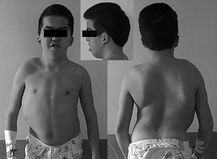
Príznaky sú prítomné už v detstve alebo v mladom veku. Kostí sú nadmerne fragilné, časté sú prítomné zlomeniny, skolióza chrbtice. Typické sú aj prítomnosť kostných infekcií - osteomyelitída, anémia.
Diagnostika:
Vykonáva sa na základe röntgenového vyšetrenia a uvedených príznakov, laboratórneho vyšetrenia a genetického vyšetrenia. Niekedy býva asymptomatická a zistená náhodne na RTG vyšetrení, ktoré sa realizuje z iného dôvodu.
Liečba:
Jedinou možnou a účinnou liečbou je transplantácia kostnej drene, a to v skorom veku. Taktiež sa ochorenie môže liečiť symptomaticky, podávaním vápnika a vitamínu D pre spevnenie kostí. Mierna osteopetróza nemusí spôsobiť príznaky a predstavovať problémy.
- začiatok príznakov už v detstve alebo v mladosti
- nadmerná tvorba kostného tkaniva
- krehké kosti
- nedostatočný rast
- deformity kostry
- zvýšené riziko zlomenín (ich častý vznik)
- anémia
- kostné infekcie - osteomyelitída
- zväčšenie sleziny a pečene (hepatosplenomegália)
- skolióza chrbtice, spinálne abnormality
- artritída bedier
Pre spojenie sa s ďalšími ľuďmi s rovnakou diagnózou vo vašom okolí sa prihláste.
Prihlásenie