
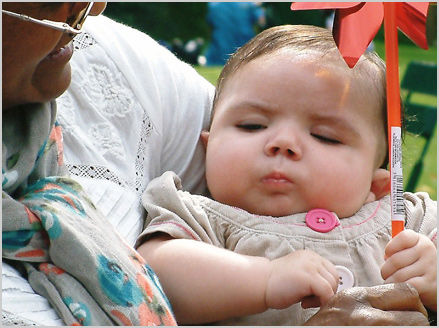
Všeobecné
Aicardiho syndróm (anglicky Aicardi syndrome) sa radí medzi veľmi zriedkavé vrodené ochorenia a postihuje vždy dievčatá. Jeho príčinu bohužiaľ nepoznáme. Na celom svete je týmto ochorením postihnutých len niekoľko stoviek detí. Ako už bolo uvedené vyššie, jeho príčina je neznáma, ale zrejme je spôsobený náhodou mutáciou génu na chromozóme X. Rodičia detí s Aicardiho syndrómom sú zdraví, dedičnosť nebola potvrdená. Pacienti s touto diagnózou sú len dievčatá, keďže táto mutácia sa viaže na chromozóm X, sú však popísané prípady chlapcov s Klinefelterovým syndrómom (47, XXY), ktorým diagnostikovali Aicardiho syndróm.
Prvé mesiace sa deti vyvíjajú bez príznakov, okolo 4. mesiaca až 4. roka života dochádza ku kŕčovým stavom - infantilné kŕče, ktorá môže progredovať do epileptických záchvatov. Medzi ďalšie príznaky patria hypotónia, mikrocefália (malý obvod hlavy), mikrooftalmia (abnormálne malé oči, nekompletný vývoj retiny a očného nervu, abnormality rebier a miechového kanála. V detskom období môže dochádzať až k život ohrozujúcim stavom z dôvodu infekcií horných dýchacích ciest.
Diagnostika:
O diagnóze tohto syndrómu sa dá uvažovať až po dôslednom vylúčení všetkých ostatných možných príčin oneskorenia psychomotorického vývoja. K potvrdeniu diagnózy sa používa EEG (vyšetrenie mozgových akčných potenciálov) a iné zobrazovacie metódy, ako je CT či magnetická rezonancia. Pacienti s Aicardiho syndrómom majú asymetriu mozgových hemisfér, prítomnosť cýst a kavít (komôrok), ktoré možno detekovať pri zobrazovacích vyšetreniach. Tento syndróm má rôzne stupne závažnosti. Kým veľmi ťažké typy Aicardiho syndrómu sa nedožívajú dospelosti pre ťažké epileptické záchvaty, ľahké typy majú len mierne príznaky.
Liečba a prevencia:
Liečba je zložitá, snaha je ovplyvniť epileptické záchvaty farmakologickou liečbou. Bohužiaľ neexistuje žiadna prevencia, ktorou by sa dalo zabrániť vzniku syndrómu. Zvyčajne je osoba v starostlivosti neurológov, očných lekárov a psychológov.
- postihnutie nervového systému - kŕčové stavy
- poškodenie mozgu - chýba corpus callosum, ktorý má za úlohu prepájať mozgové hemisféry
- prítomnosť cýst, kavít na zobrazení mozgu (CT, MR, USG)
- mikrocefália (malá veľkosť mozgu)
- poruchy schopnosti učiť sa
- kŕčové stavy
- epilepsia ťažko reagujúca na farmakoterapiu
- porucha očnej sietnice
- oneskorený psychomotorický vývoj
- črty tváre: úzky priestor medzi hornou perou a nosom, široký nos so spičkou mierne zdvihnutou nahor, riedke obočie, veľké uši
- iné črty tela: malé ruky, abnormality rebier a chrbtice (skolióza), abnormality horných končatín
- gastrointestinálne ťažkosti: zápcha, hnačky, reflux, problémy s prijímaním potravy
Pre spojenie sa s ďalšími ľuďmi s rovnakou diagnózou vo vašom okolí sa prihláste.
Prihlásenie