
Všeobecné
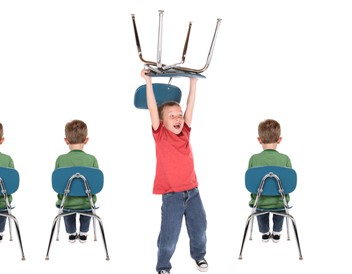
ADHD (angl. Attention Deficit Hyperactive Disorder) je porucha správania sa, ktorá sa prejavuje od útleho veku dieťaťa. ADHD označujeme klinický syndróm, pre ktorý je charakteristická narušená koncentrácia a pozornosť, porucha kontroly impulzov, kolísavé nálady i ťažkosti ako extrémny nepokoj či hyperaktivita.
V detstve je jedným z najčastejších psychiatrických porúch. Trpí ňou až 7 percent detí školského veku, chlapci sú postihnutí častejšie ako dievčatá. Zásadný, až 80% význam majú genetické faktory. Ich účinok sa znásobuje vplyvmi prostredia ako je fajčenie, konzumácia alkoholu počas tehotenstva, poškodenie mozgu, predčasný pôrod, nízka pôrodná hmotnosť...
ADHD sa najčastejšie diagnostikuje medzi 6. a 9. rokom veku dieťaťa, teda na začiatku školskej dochádzky, kedy sa stupňujú nároky na jeho prispôsobenie sa rôznym normám a na stabilnejší výkon.
Ide o neurovývojovú poruchu. Táto porucha je často pre rodinu veľkým bremenom. Zvláštne správanie dieťaťa rodina považuje často z nevedomosti za chyby vo výchove. K ťažkej úlohe výchovy dieťaťa s ADHD sa pridružuje aj odmietavý postoj okolitého sveta, ktorý môže viesť k psychickému tlaku na všetkých členov rodiny.
ADHD má mnoho podôb a vyskytuje sa napríklad spolu s hyperaktivitou (ADHD) alebo bez nej (ADD). ADHD má biologický základ v odlišnom vývoji a funkcii mozgu. Narušená schopnosť sústredenej pozornosti, nadmerná aktivita a impulzivita u týchto detí je daná odlišnou štruktúrou a funkciou mozgu. Zistilo sa, že na vzniku príznakov sa podieľa narušený metabolizmus látok, ktoré prenášajú vzruchy medzi nervovými bunkami, a to dopamín a noradrenalín.
Na spoľahlivé stanovenie diagnózy je potrebné pozorné sledovanie dieťaťa a jeho vývinu. U hyperkinetického syndrómu ide o pomerne ťažko diagnostikovateľnú poruchu, aj keď existujú jasné príznaky poruchy. Ide hlavne o poruchy sústredenia.
ADHD ovplyvňuje správanie dieťaťa odkedy sa ráno zobudí, počas celého dňa, v škole, pri popoludňajších aktivitách aj večer doma. Dieťa aj jeho rodina má problémy aj s jeho večerným zaspávaním a spánkom.
Ako rozpoznať ADHD:
Jednotlivé symptómy hyperkinetického syndrómu môžeme pozorovať už v dojčenskom veku. Charakteristická je zvýšená aktivita, nepravidelný rytmus spania a bdenia alebo málo spánku a veľa kriku a málo rozprávania. Aj dotyková citlivosť a očný kontakt sa prejavujú inak ako u zdravých detí. Aktivita je zvýšená. Diagnózu ale nie je možné stanoviť pred tretím rokom života dieťaťa. Aj neskôr je ťažké jednoznačne stanoviť, či ide o poruchu ADHD.
V predškolskom veku, medzi tretím a šiestym rokom, sú viditeľnými symptómami známky motorického nepokoja. Hlavne v hravých situáciách má dieťa problém pokojne a vytrvalo vydržať. Aj výbuchy zlosti a nedodržiavanie hraníc patria k faktorom, ktoré vedia urobiť zo všedného dňa v škôlke problematický. Oneskorenia môžeme nájsť prakticky vo všetkých oblastiach detského vývinu: v plánovaní a riadení činností, v hrubej a jemnej motorike, čo je viditeľné hlavne pri kreslení. Riziko úrazu je v porovnaní s inými deťmi niekoľkonásobne vyššie. U dieťaťa s ADHD v spojení s hyperaktivitou do veku približne troch rokov je nevyhnutná neustála kontrola a dozor dospelého, aby sme predišli nepríjemným úrazom.
V školskom veku začínajú „skutočné“ problémy. Požiadavky na dieťa sa stupňujú, dieťa má problémy sedieť potichu, koncentrovať sa, počúvať aj dokončiť začaté úlohy. Výsledkom sú problémy s čítaním, písaním aj počítaním. Hyperaktívne deti majú v tomto období veľké problémy, lebo stanovený rozvrh hodín od nich očakáva prispôsobivé správanie. Chodenie po triede počas vyučovania alebo neustále rečnenie so susedom začnú učitelia i ostatné deti skôr či neskôr považovať za nepríjemné. Dochádza aj k mnohým konfliktom s ostatnými deťmi, emocionálna nestabilita a explodujúce, impulzívne správanie sťažujú sociálne kontakty. Nezriedka takéto deti menia školu dva - až trikrát už počas prvých rokov školskej dochádzky. Nediagnostikovaný ADHD školák často vôbec nie je schopný zúčastniť sa vyučovania dlhší čas. Každý šum aj pohyb v triede na neho pôsobí odpútavajúco. Domáce úlohy mu trvajú veľmi dlho a deti „ulietavajú“ do svojho sveta fantázie. Bez odbornej pomoci a pomoci zo strany učiteľov vedie ADHD postupom času k tomu, že sa deti cítia vyčleňované, iné, uzavreté a nemilované. Získavajú presvedčenie, že nikdy nevedia nič poriadne urobiť, sú neustále kritizované a korigované. K tomu sa pridávajú v mnohých prípadoch aj školské neúspechy, lebo chýbajúca pozornosť často vedie k zlým výsledkom.
Mládež s ADHD sa často pokúša uhnúť z cesty týmto negatívnym pocitom tým, že sa stráni rizikových situácií, a preto niekedy vypadne zo spoločenských vzťahov. Často sa u mládeže rozvíja úzkosť alebo depresia a býva viac náchylná na zneužívanie alkoholu a drog. V mnohých prípadoch sa potom dostáva vďaka svojej ľahkej ovplyvniteľnosti do tzv. „zlých kruhov“.
Diagnostika:
Diagnóza nie je jednoduchá a patrí do rúk klinickým psychológom, neurológom, psychiatrom. Už sú známe testy na určenie ADHD.
Liečba:
Dnes je už známe, že časť detí z ADHD syndrómu nevyrastie. Mládež aj dospelí trpia aj svojou „inakosťou“ a potrebujú podporu. Liečba pozostáva z behaviorálnej terapie v možnej kombinácii s medikamentóznou terapiou.
Deti a mládež postihnuté ADHD sú však aj veľmi senzibilné a majú aj svoje silné stránky. Často bývajú veľmi kreatívne a plné fantázie, vycítia náladu a jej zmeny a oplývajú nesmiernou ochotou pomôcť. Majú obrovský zmysel pre spravodlivosť. Vedia sa pripútať k nejakej téme, vhĺbiť sa do nej a získať obdivuhodné výsledky a poznatky.
- neschopnosť sústrediť sa na podrobnosti
- ťažkosti so zachovaním pozornosti pri plnení úloh alebo pri hre, pri rozhovore sa zdá, akoby dieťa nepočúvalo, dieťa nepostupuje podľa pokynov, má ťažkosti s rozvrhnutím úloh a činností, vyhýba sa úlohám, ktoré vyžadujú neprerušovanú duševnú prácu, často stráca veci, ktoré potrebuje, ľahko sa pri práci rozptýli, v každodennej činnosti je zábudlivé
- hyperaktivita - dieťa sa často s niečím pohráva, je neposedné, zdvihne sa zo svojho miesta v situácii, v ktorej by malo sedieť, začne pobehovať bez ohľadu na situáciu, nedokáže sa potichu hrať, má zvýšený rečový prejav a je neustále v pohybe
- impulzivita - dieťa vyhŕkne odpoveď pred dokončením otázky, nedokáže čakať, kým príde na rad, často prerušuje a vyrušuje ostatných
Pre spojenie sa s ďalšími ľuďmi s rovnakou diagnózou vo vašom okolí sa prihláste.
Prihlásenie