
Všeobecné
Aagenaesov syndróm (angl. Aagenaes syndrome, Cholestasis lymphedema syndrome, CHLS, LCS) je zriedkavé geneticky podmienené ochorenie, ktoré je charakteristické idiopatickou familiárnou intrahepatálnou cholestázou (porucha odtoku žlče vnútropečeňovými žlčovodmi) spojenou s vrodenou poruchou vývoja lymfatických ciev. Príčina je najčastejšie asociovaná s mutáciou na géne LSC1 na 15. chromozóme krátkeho ramienka 15q. Choroba bola preukázaná u niekoľkých rodín v Nórsku, inak sa takmer nikde na svete nevyskytuje. Dedičnosť je autozomálne recesívna, to znamená, že na prenos choroby sú potrebné dva postihnuté gény od oboch rodičov, ktorí sú však zdraví.
Prejavy:
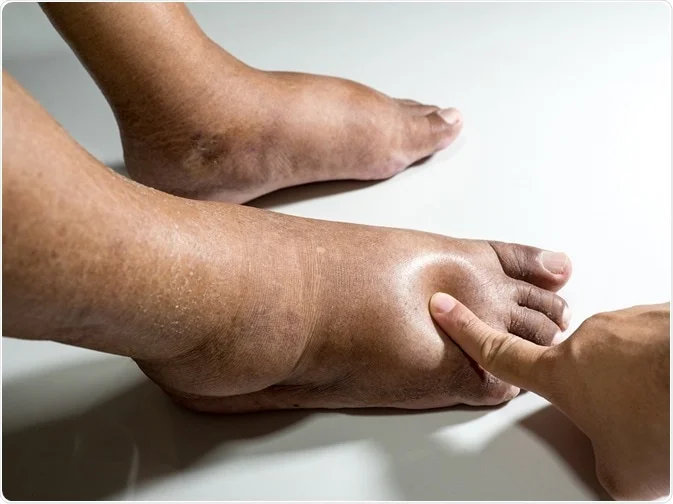
Syndróm sa prejavuje nízkou pôrodnou hmotnosťou, pacienti môžu trpieť bolesťami brucha sprevádzanými aj častejším zvracaním. Chorí môžu mať znížený intelekt, tj. rôznu úroveň mentálnej retardácie. Najzávažnejšie postihnutie pramení z porúch odtoku žlče z pečene – vzniká žltačka – a porúch lymfatického systému, ktorý vedie k vzniku lymfedémov, opuchov najmä dolných končatín. Dlhodobá porucha odtoku žlče začne poškodzovať pečeň a môže vyústiť až do cirhózy pečene so všetkými jej komplikáciami. U postihnutých sa okrem vyššie spomínaných príznakov častejšie objavujú hemangiómy.
Diagnostika:
Z vyššie uvedených prejavov možno vysloviť podozrenie, spoľahlivou a vlastne jedinou metódou diagnostiky je však až genetické vyšetrenie.
Liečba:
Prevencia vrodeného syndrómu neexistuje, rovnako aj kauzálna liečba neexistuje. Pacienti s touto diagnózou patria do dispenzarizácie hepatológom. Je nutná najmä diéta šetriaca žlčník (hepatoprotektívna terapia). V prípade potreby pri pokročilej cirhóze pečene býva úspešná transplantácia pečene.
- bolesti brucha
- únava
- abnormality v homeostáze moču (problémy s močením)
- acholická stolica (bledá stolica ochudobnená od žlče)
- hyperlipidémia
- poruchy lymfatického systému
- opuchy dolných končatín (edémy)
- cholestáza - porucha odtoku žlče žlčovodmi
- hepatomegália (zväčšená pečeň)
- zlyhávanie pečene v pokročilých štádiách (častý je až prechod do cirhózy pečene)
- abnormálna pigmentácia kože
Pre spojenie sa s ďalšími ľuďmi s rovnakou diagnózou vo vašom okolí sa prihláste.
Prihlásenie