Mikroduplikačný syndróm 17p13.3
Find a cause you want to help. Every contribution counts.

Všeobecné
Mikroduplikačný syndróm (angl. 17p13.3 Microduplication syndrome) je variabilný syndróm, ktorý je ťažko definovateľný kvôli svojej variabilnosti a raritnosti. Výskyt syndrómu je menej ako 1:1 000 000. Mikoduplikačný syndróm 17p13.3 je charakterizovaný najmä oneskorením psychomotorického vývoja a typickými črtami tváre. Ďalšie štúdie poukazujú na poruchy intelektu, poruchy autistického spektra, ojedinele bývajú zmeny pri vyšetrení magnetickou rezonanciou mozgu. Štúdie skúmali 34 pacientov z 21 rodín, ktoré mali spoločné neurologické abnormality, abnormality správania, anomálie štruktúry mozgu pri vyšetrení.
Prejavy:
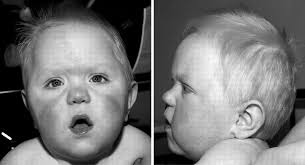
Klinické príznaky sú variabilné, preto je charakteristika syndrómu náročná. Medzi príznaky patrí ľahké až stredne ťažké oneskorenie psychomotorického vývoja, hypotónia, typické črty tváre – vysoké čelo so zakrivením (frontal bossing), malý nos a malé ústa. Niektotí pacienti mali prítomné gotické podnebie. Poruchu autistického spektra vykazovala tretina pacientov. Typické pre starších pacientov bola nadváha.
Etiológia:
Syndróm vzniká genetickou poruchou, keď určitý malý úsek na chromozóme 17 sa zdvojnásobí (vznikne de novo duplikácia), ktorá je zodpovedná za klinické príznaky syndrómu.
Diagnostika:
Genetické vyšetrenie pri podozrení na genetickú poruchu, pri oneskorení psychomotorického vývoja. hypotónii.
Liečba:
Kauzálna liečba neexistuje. Kvôli oneskorenému psychomotorickému vývoju a hypotónii je vhodná včasná rehabilitácia, doporučuje sa včasná intervencia, psychologická intervencia pri poruchách autistického spektra.
- oneskorenie psychomotorického vývoja
- typické črty tváre – vysoké čelo, , malé ústa, malý nos, gotické podnebie
- hypotónia
- poruha intelektu
- poruchy autistického spektra (PAS)
- nadváha v dospelosti
- štrukturálne zmeny mozgu (MRI mozgu)
Pre spojenie sa s ďalšími ľuďmi s rovnakou diagnózou vo vašom okolí sa prihláste.
Prihlásenie